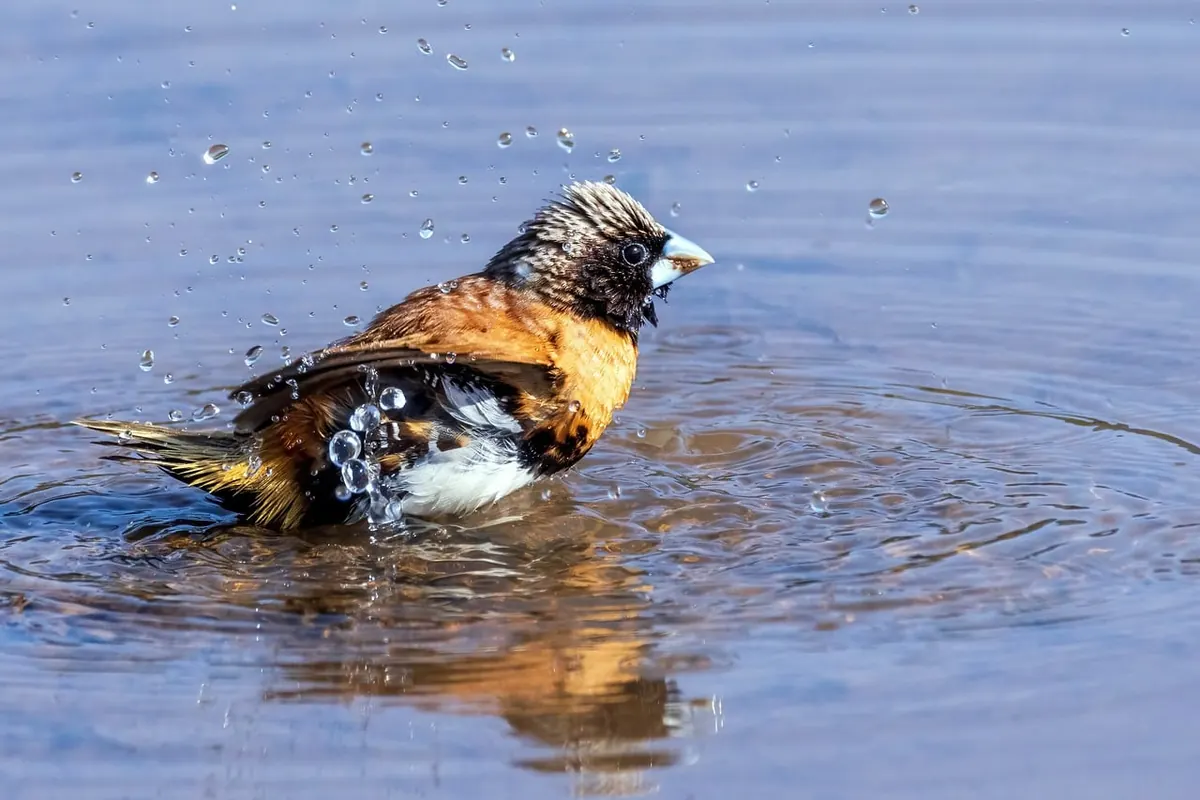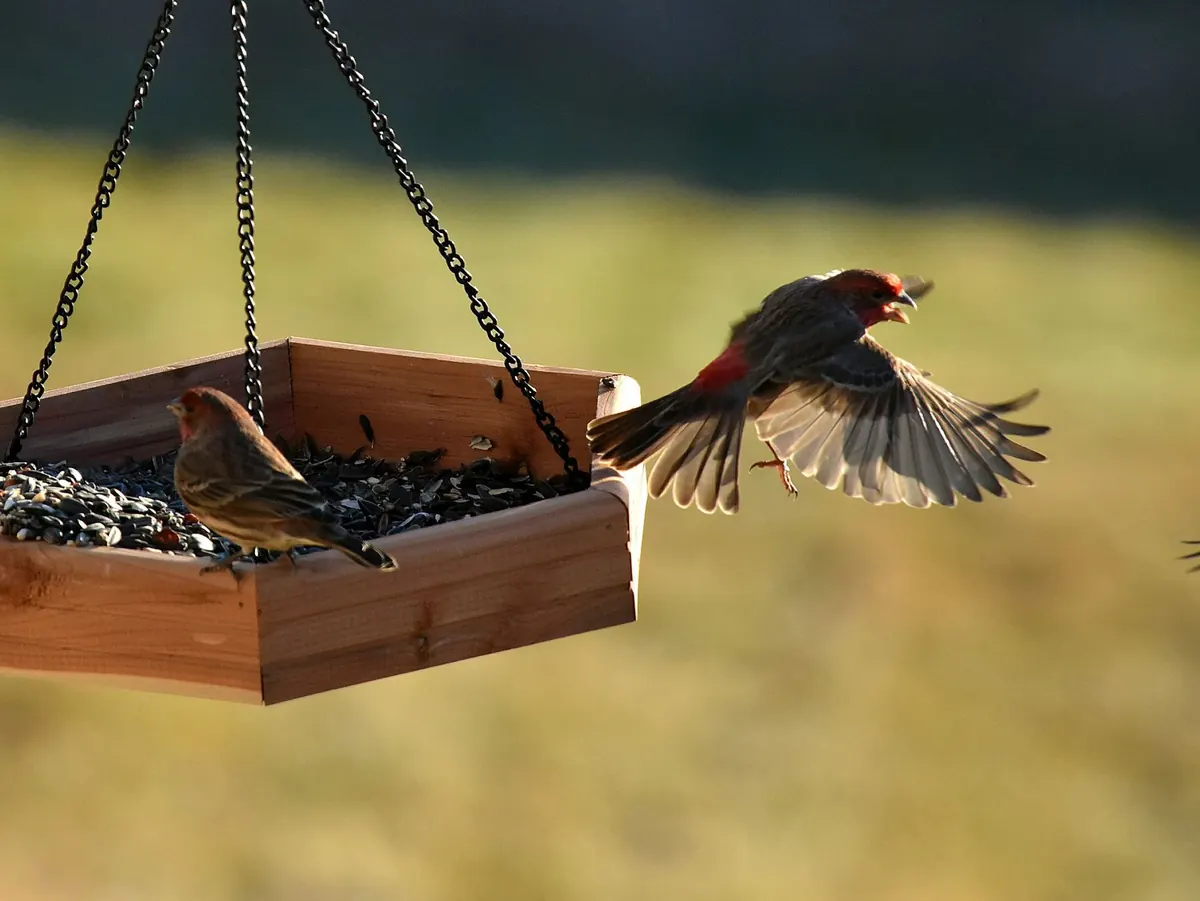
Finches are among the easiest birds to feed, which is exactly why so many of them end up on a diet that looks fine and isn't. A dish of seed, a sprig of millet, clean water, and the routine runs itself. Meanwhile the bird is quietly picking out its three or four favourite seeds and leaving the rest, and getting almost no calcium at all. None of the mistakes below are dramatic on their own. Together they show up as dull plumage, thin birds, poor breeding results and hens that struggle when they lay. Every one of them has a simple fix you can start this week.
Mistake 1: Treating seed as the entire diet
A good foreign finch or zebra finch mix should be the base of the diet, not the whole of it. The problem is selective feeding. Finches sort through a mix and eat the seeds they like best, usually the fattier ones, and scatter or ignore the rest. Over months that means a bird that looks busy and well fed but is running short on protein, vitamins and minerals.
There is a second trap: finches hull their seed, so a dish that looks half full may contain nothing but empty husks. Blow gently across the dish. If the husks fly off and there is barely any seed underneath, your birds have been out of food for hours.
What to do instead:
- Offer a portion small enough that it is mostly cleared in a day, then top up. Never tip fresh seed on top of old husks.
- Add a small measure of a complete softfood or pellet alongside the mix so the diet has a safety net.
- Give eggfood two or three times a week in normal conditions, and daily during the moult or when a pair is feeding chicks.
- Check condition, not just appetite. A finch with a sharp, prominent breastbone is losing weight even if it is eating constantly.
Mistake 2: Millet spray as an everyday food
Millet is brilliant. It tempts a new bird to eat, settles a nervous pair, distracts birds during cage moves and keeps chicks busy while parents feed. It is also rich and easy to overdo. A small piece two or three times a week is plenty for a pair of zebra finches.
Skip the honey-coated and brightly dyed sprays altogether. Sugar and colouring do nothing useful for a finch, and the sticky coating attracts mould once the spray has been in a warm room for a few days. Plain millet, given as a treat and removed when it has been stripped, is the better habit. Check any spray for dark patches or a musty smell before it goes in the cage, and never leave a damp one in place.
Mistake 3: Getting grit and minerals wrong
Grit and calcium get muddled together, and both get forgotten. They do different jobs. Insoluble grit, the fine gravel type, sits in the gizzard and helps grind hard seeds. Soluble calcium sources such as oyster shell grit, cuttlefish bone and mineral blocks dissolve and supply calcium, which matters enormously for hens producing eggs.
A cuttlebone or mineral block should be clipped to the cage and available at all times. Grit needs far less than most people think: a small pinch in a shallow dish, refreshed weekly, is enough for a pair. Do not fill a deep pot with it. A bird that fills its crop with gravel can end up in real trouble, and it is a completely avoidable problem.
- Provide: cuttlefish bone or mineral block at all times; a pinch of grit in a shallow dish; crushed eggshell or oyster shell for laying hens.
- Avoid: sharp sand, builder's sand or gravel dug from the garden; deep piles of grit; treating grit as a substitute for calcium.
Mistake 4: Unsafe or unsuitable treats
Finches are tiny. A sliver of the wrong thing is a much bigger dose for a 12g bird than for a parrot, so the safe list is short and worth learning properly. Keep these well away from the cage: avocado, chocolate, anything containing caffeine, alcohol, onion, garlic and leek, dairy, salty snacks, sugary biscuits and cake, fruit pips and apple seeds, and any food that is mouldy or has started to ferment. Wild bird mixes and seed from garden feeders are also a poor idea indoors, since they can bring in contamination and disease from visiting wild birds.
Good treats, given in small amounts, include broccoli florets, kale, a little spinach, grated carrot, cucumber, pea shoots, apple and pear slices, berries, hard-boiled or scrambled egg with no salt or butter, and soaked or sprouted seed. Introduce one new food at a time so you can see how your birds react, and take fresh food out after two hours, sooner on a warm day. Expect slightly looser droppings after greens. That is normal; droppings that stay wet for days are not.
Mistake 5: Sloppy water and stale dishes
Water should be changed every day, in a shallow dish your birds can also bathe in, and the dish itself washed with hot water. Position it away from directly under perches. Routinely adding vitamins or tonics to drinking water is another common error: the dosage is guesswork, the water encourages bacteria as it sits, and a finch that drinks very little gets almost none of it. Supplements are better delivered through eggfood, softfood or a decent complete diet.
Weekly jobs matter too. Empty and dry hopper feeders rather than topping them up, check stored seed for damp and use it within date, and keep it in an airtight container somewhere cool. Damp seed goes mouldy quickly, and mouldy seed is one of the few things in a finch cage that can cause serious harm fast.
Mistake 6: The same food all year, and changing it too fast
Needs shift through the year. Moulting and breeding birds need more protein, which means more eggfood and, for insect-eating species such as waxbills, small live or dried insects. Laying hens need constant access to calcium. Juveniles need softfood they can manage while their beaks are still growing. A diet that never changes is a diet that is wrong for part of the year.
Change slowly, though. Finches are cautious about new food and a bird that stops eating goes downhill quickly. Mix a new seed blend with the old one over a week or so, increasing the proportion gradually. If you are worried about a bird's weight, droppings or appetite, an avian vet is the right person to ask rather than a change of mix.
A simple routine that covers most of it
Fresh water and removal of leftover fresh food, every day. A small pinch of grit and a glance at the cuttlebone, weekly. Eggfood or greens every other day, more during the moult and breeding. Empty and wash seed dishes and hoppers weekly, and check your seed store for damp at the same time. Keep millet as a treat, keep the unsafe list off the shelf, and watch the birds rather than the dish — bright eyes, smooth plumage, steady weight and well-formed droppings tell you the diet is working. If any of those slip, change one thing at a time so you can see what made the difference.
Photo: Corrie / Pixabay