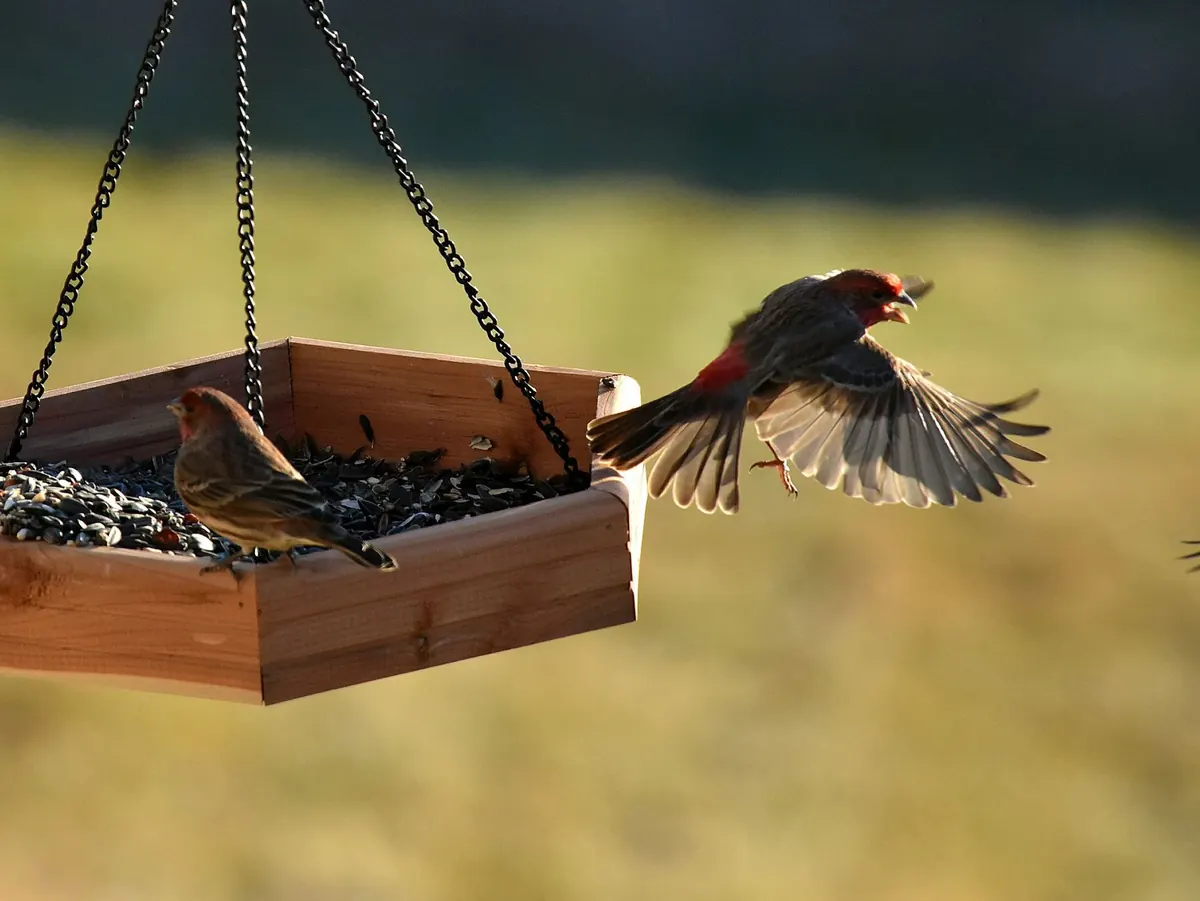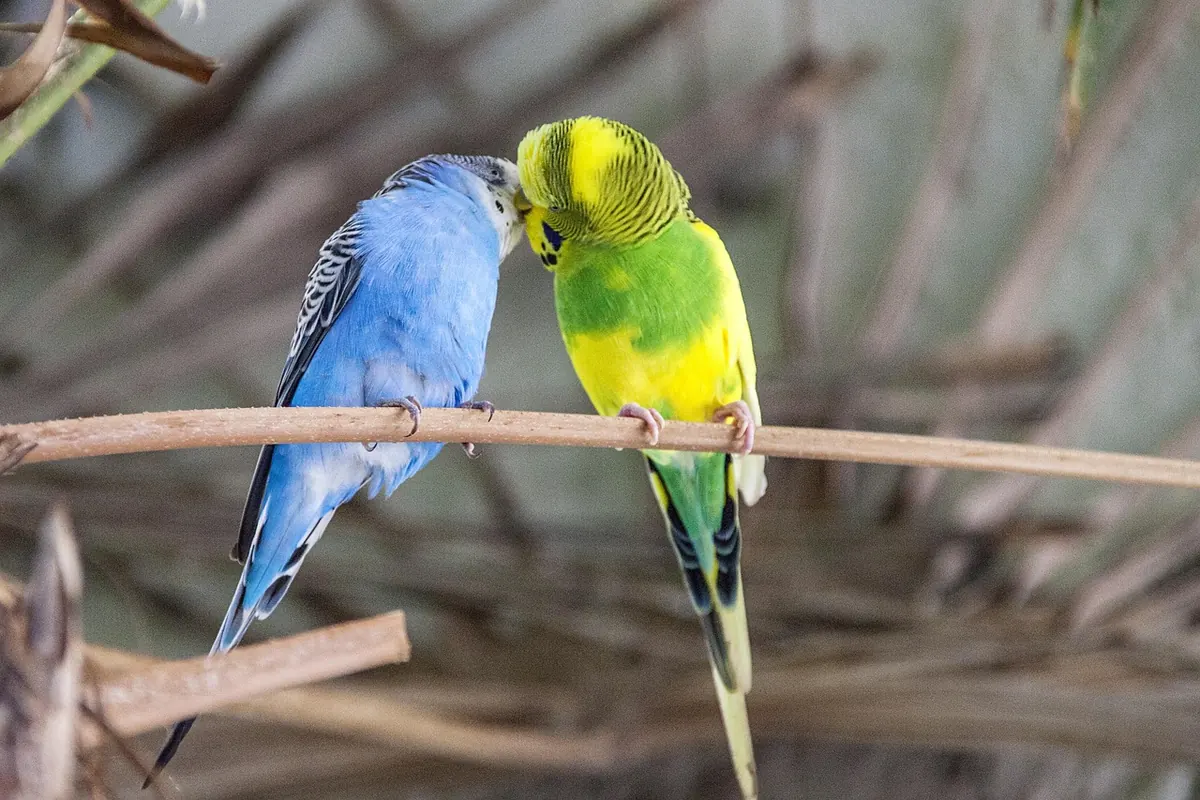
A first bird should fit your home, your routine and your tolerance for noise. Finches and canaries are both small, long-lived and far less demanding than parrots, but they are not interchangeable. One is a flock bird that wants company of its own kind; the other is often kept singly and may reward you with song. Here is how they compare in the areas that matter most to UK beginners.
Noise and Song: What You Will Actually Hear
Canary males sing. That is the point of a canary for many owners. The song is usually a rolling, musical warble, often strongest in spring and early morning. Females are generally quieter, though they still chirp. A male canary in a small flat can be heard through walls, especially in a room with hard surfaces and little soft furnishing. Finches chatter. Zebra finches make soft beeps and trills; society finches are gentler still; some waxbills have sharp contact calls. A flock of finches can create a constant background noise, but it is often less melodic and more like a busy aviary.
Neither bird is silent. If noise is your main worry, visit a breeder or a bird show and listen before you buy. Think about early mornings, thin walls and neighbours. A canary’s song carries; finch chatter is more constant but often softer.
Sociability: Flock Bird or Solo Singer?
Finches are social. In the wild they live in groups, and a single finch can become stressed, quiet and prone to illness. Beginners should buy at least a pair. Society finches often do well in groups; zebra finches can live in pairs, though same-sex pairs may squabble. They are not usually tame. They may fly to a perch near you, but they rarely enjoy being held. Handling is for health checks or emergencies, not daily cuddles.
Canaries are different. They are often kept alone, and a single male can be perfectly content if he has space, a good diet and some interaction. They can become used to your voice and routine, and some will take food from your fingers. They are not parrots; they do not need constant petting. Two males may fight, especially in a small cage. A male and female will breed, which brings its own work. If you want a bird that notices you, a canary may be the better fit. If you want to watch a busy, self-contained flock, finches are more rewarding.
Do not keep a single finch just because it is smaller or cheaper. Company is not optional for most finch species.
Housing: Cages, Aviaries and Flight Space
Both need horizontal flight. A tall, narrow cage is not much use. Finches are active and need length more than height. A pair of finches needs a flight cage, and a group needs an aviary or a very large indoor cage. Canaries also fly, but a single canary can manage in a slightly smaller cage than a pair of finches, provided it is wide enough for short flights. In the UK, many owners keep canaries in outdoor aviaries, but they need protection from damp, draughts, predators and extreme cold. Indoor birds need a room away from kitchens, because fumes from non-stick pans, aerosols, scented candles and smoke can kill birds quickly.
Setup checklist
- Wide cage with horizontal bars; avoid round cages.
- Natural wood perches in different diameters; avoid sandpaper covers.
- Food and water dishes that are easy to clean and not placed under perches.
- A shallow bath dish for bathing.
- Safe toys: swings, soft ropes and shredding materials. Use mirrors with care, as they can cause hormonal behaviour in some birds.
- A night cover or a quiet, dark corner for sleep.
Clean the cage daily: remove fresh food, wipe surfaces and change water. Once a week, do a deeper clean with a bird-safe disinfectant and rinse well. Good hygiene prevents many problems.
Diet: Seed Mixes, Fresh Food and Grit
Both finches and canaries are often fed a seed mix, but a plain seed diet is not enough. Canaries usually do well on a good canary mix with canary seed, rape, hemp and millet, plus chopped greens, carrot, apple, broccoli and a little egg food during moulting or breeding. Finches need a finch mix; some species, such as waxbills, may need live food or a specialist insect mix. Zebra and society finches generally manage on a quality finch seed mix, greens, egg food and a calcium source.
Fresh water must be available at all times. Cuttlefish bone or a mineral block helps with calcium. Grit is debated: some owners offer a small amount; others rely on cuttlebone and a balanced diet. If you are unsure, ask an avian vet or an experienced breeder. Never feed avocado, chocolate, caffeine, alcohol, salty snacks or mouldy food. Introduce new foods slowly, in small amounts, and remove anything fresh after a few hours, especially in warm weather.
Daily Care: What Each Bird Asks of You
Finches are low-contact but not low-maintenance. They need fresh food and water, a clean cage, company and a calm routine. Because they are flock birds, they can become stressed by sudden changes, loud noises or a single life. Watch for feather plucking, huddling, tail bobbing or sitting on the floor. Those are signs to check warmth, diet, draughts and company, and to contact an avian vet.
Canaries need similar basics, with a little more one-to-one attention. A single canary relies on you for social contact, so talk to it, sit nearby and keep a predictable routine. Many canaries enjoy a daily bath, especially in warm weather. Nails may need trimming if they overgrow; ask a vet or experienced keeper to show you how. Both species moult, usually after breeding or in late summer, and need extra protein and warmth during that time.
A quick daily check:
- Fresh water and food; remove spoiled items.
- Look at droppings, breathing and posture.
- Check the room for fumes, draughts and overheating.
- Spend a few minutes watching behaviour; changes matter.
Which First Bird Suits Your Home?
Use these questions before you decide:
- Do you want song? A male canary is the stronger choice.
- Do you want a pair or group that entertains itself? Finches.
- Can you provide a large flight cage or aviary? Finches need it more.
- Do you want a bird that may interact with you? A canary is more likely.
- Will noise travel through walls? A canary’s song carries; finch chatter is more constant but often softer.
- Are you ready for daily cleaning and fresh food? Both need it.
Neither bird is a starter toy. Both can live for several years, and some finches and canaries live longer with good care. If you are out all day, finches may be better because they have each other. If you are home and want a quieter companion, a single male canary can work well. If you rent, check your tenancy agreement before buying. If you have children, teach them to watch, not grab. Birds are fragile, and a frightened finch can injure itself in a cage.
A Practical Way to Decide
Before you buy, set up the cage, find an avian vet and locate a reputable breeder or rescue. Ask to hear the birds. A canary’s song that sounds charming in a shop may be loud in a small flat; a finch flock that looks lively may need more space than you have. Start with one species, not both. Keep the first few weeks calm, with minimal handling and a consistent routine. If health, housing or diet worries you, speak to an avian vet or an experienced keeper rather than guessing. A first bird should be a pleasure, not a worry. Choose the one that matches your home, not the one that looks prettiest in a photograph.
Photo: lizzyliz / Pixabay